
Application Security
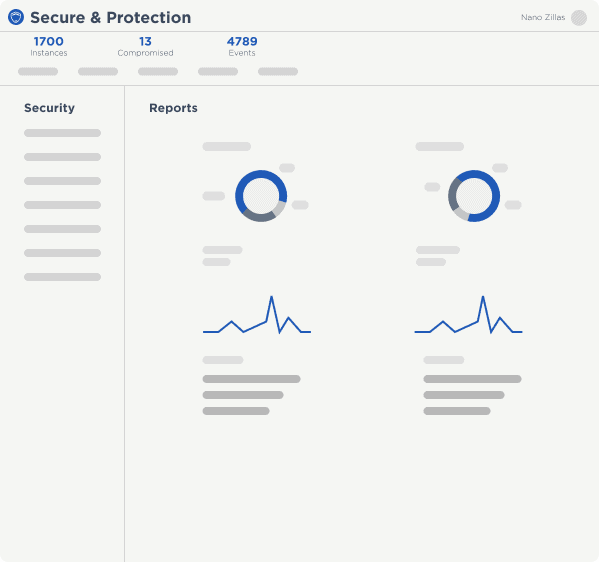
Harden applications against reverse engineering attempts, monitor threats to applications, and build runtime application self protection (RASP) into the apps you make and give to your customers.
Protect and Monitor
Ignite your DevSecOps practice by inserting security into your apps at the build phase. Harden your application against reverse engineering, build the ability to monitor threats to your apps in production directly into your SDLC, and create apps that have the ability to automatically react to threats to apps through Runtime Application Self Protection (RASP).
Trusted By Enterprise Customers


Build Secure Software to Prevent Reverse Engineering
Protect
Shift Left to Secure Applications
- Protect mobile, web, and desktop apps from reverse engineering
- Obfuscate code to frustrate static analysis
- Insert security mechanisms into the apps you create during the "Build" stage without slowing down application developers and without adversely affecting app performance
Monitor
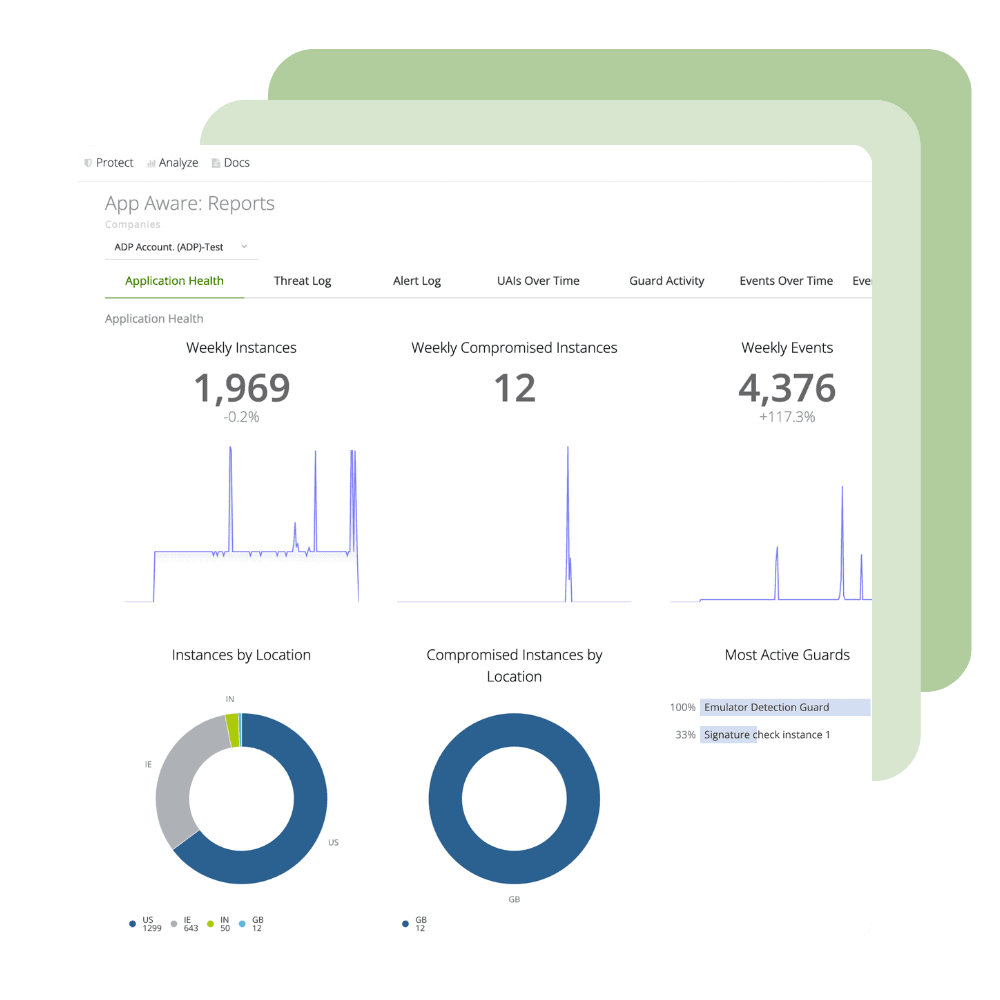
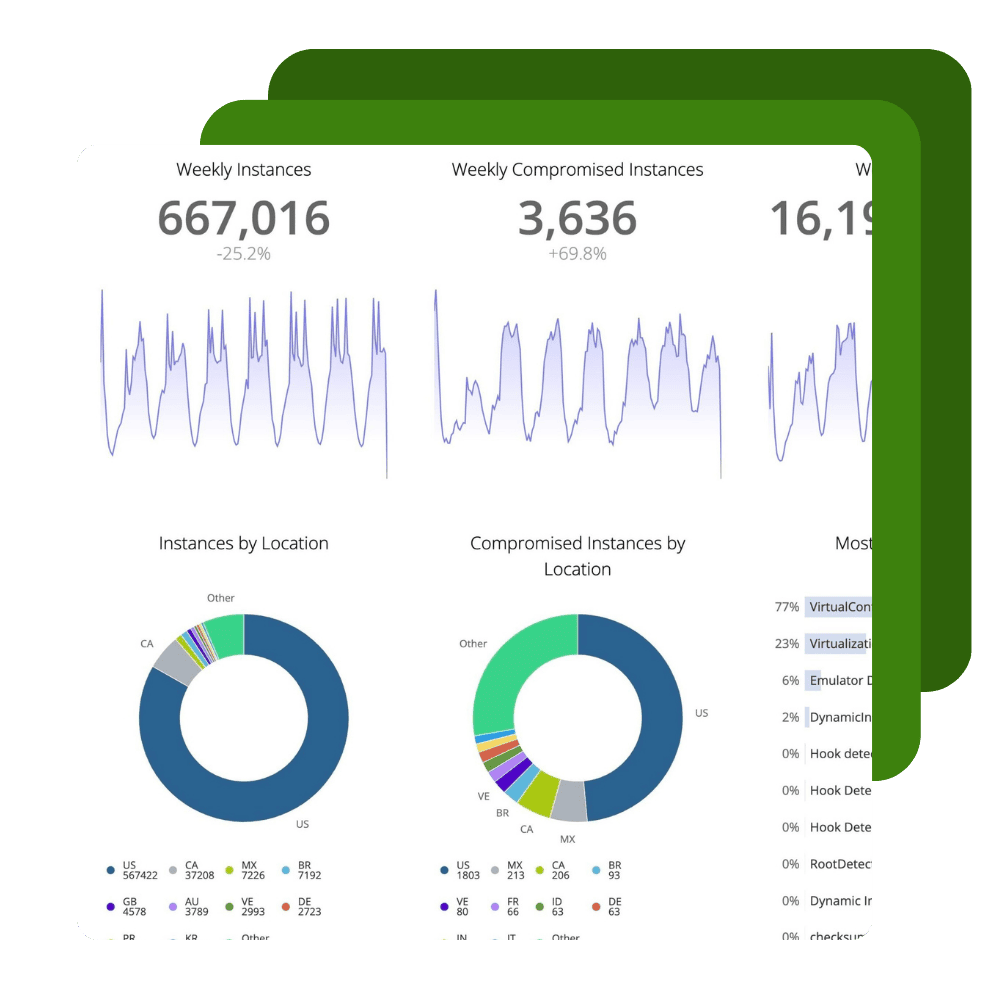
Provide Visibility Into The Apps You Make Available to Your Customers
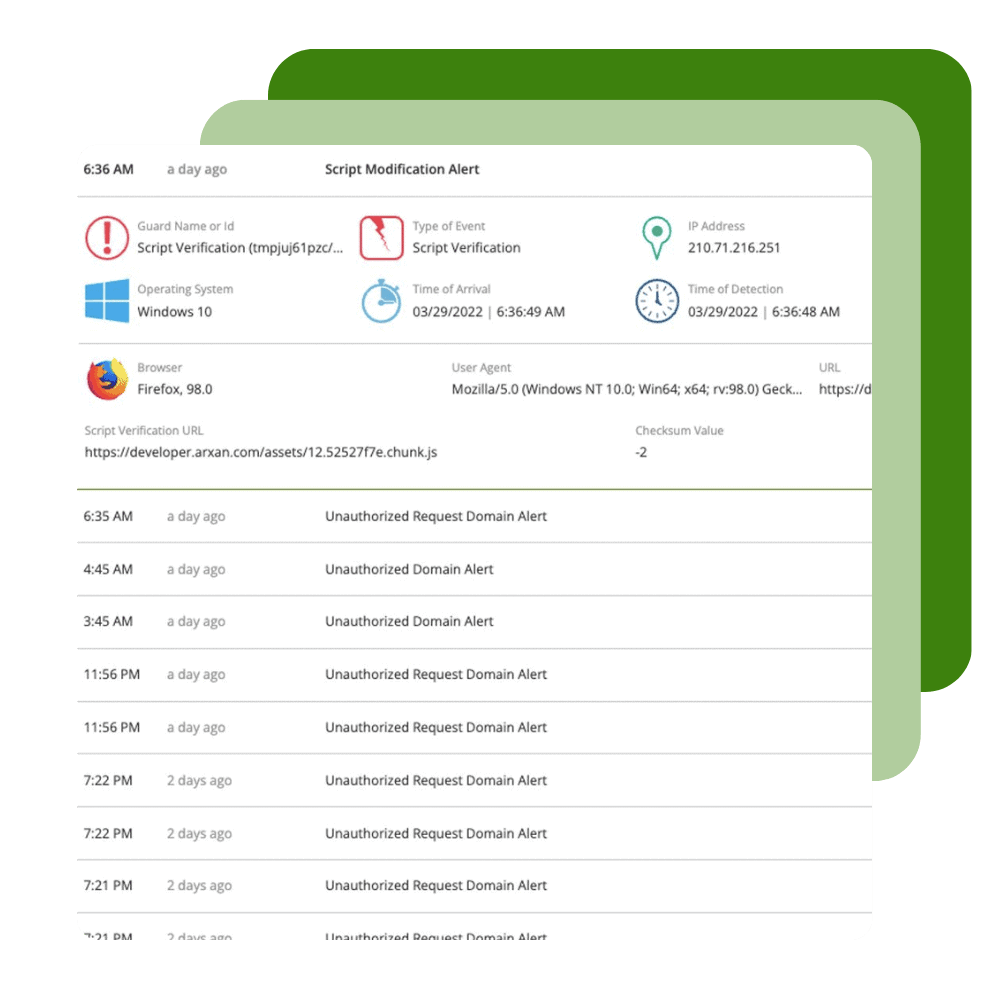
- See when, where, and how your apps are attacked
- View attack alerts in a stand-alone dashboard dedicated to monitoring the apps that your customers use outside of your firewall
- Integrate your app monitoring capabilities with your existing Security Information and Event Manager (SIEM) or Security Orchestration Automation and Response (SOAR) tools
React
Build Runtime Application Self Protection (RASP) into your App
- Force step up authentication when certain guards are triggered
- Customize reactions to alter specific application capabilities, for instance if cheating is detected
- Optionally Configure complete and automatic shut down of app upon tamper detection
Capabilities
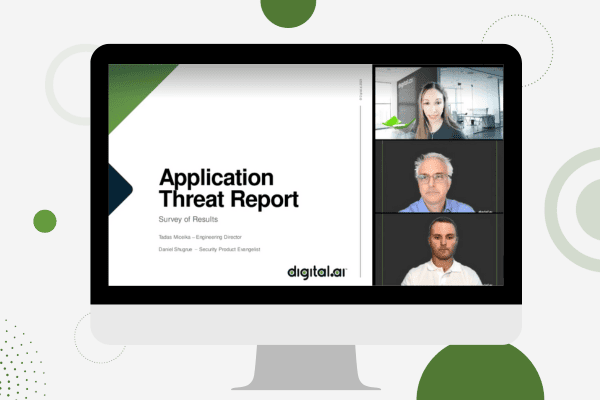
The 2023 Application Threat Report Is Out!


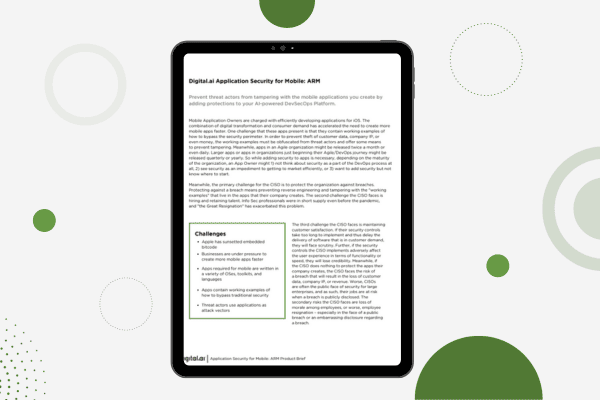
Related Products
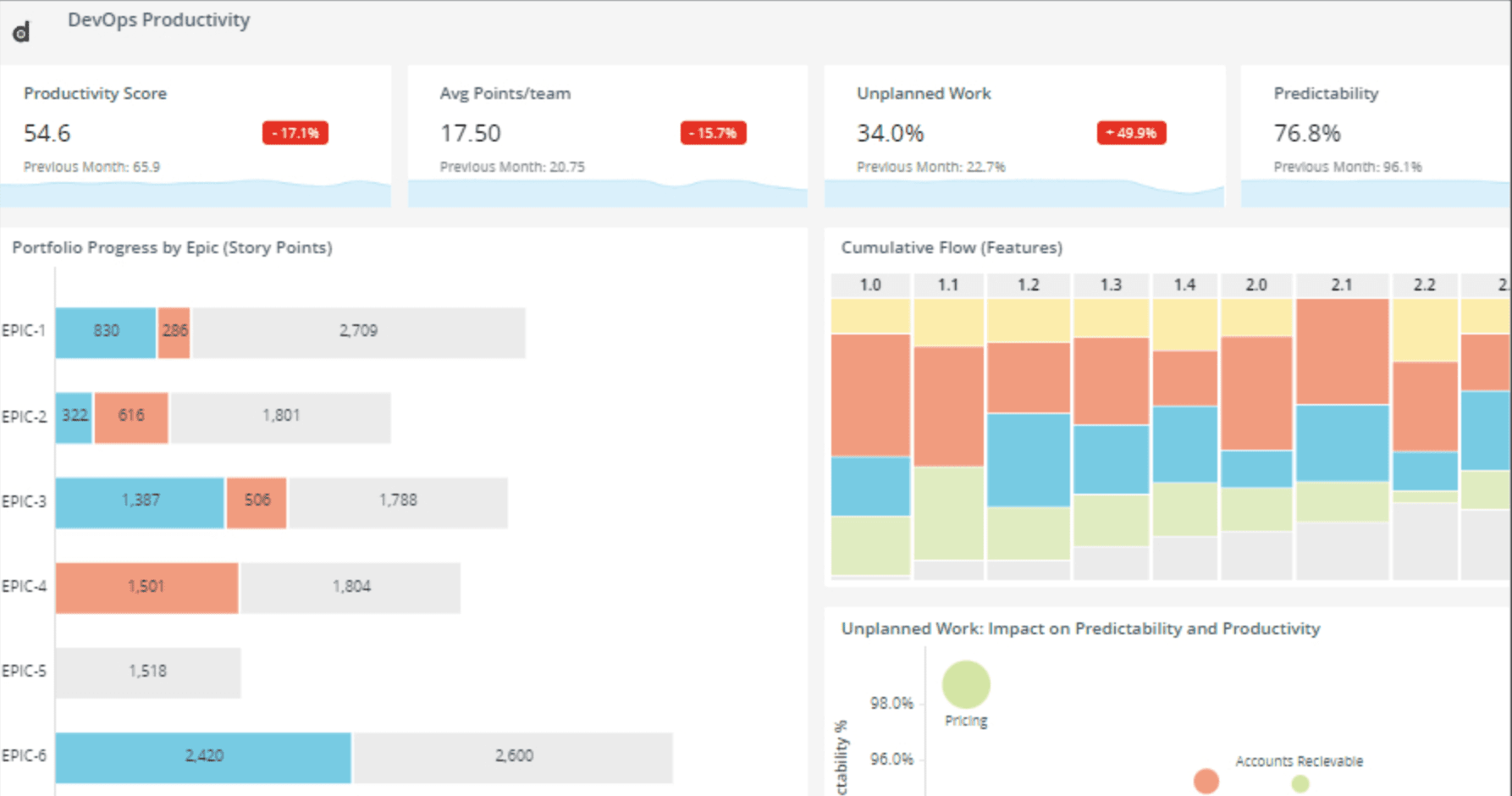

See Digital.ai Application Security in Action
We have helped thousands of enterprises protect, monitor and react to attacks on the apps they make and give to their customers. Contact us to learn more.